 Pleasantview Family Dental Clinic
Root Canal Treatment
A root canal doesn’t have to be something you dread. It’s one of the most reliable ways to relieve tooth pain and save a tooth that might otherwise need to be removed.
What Is a Root Canal?
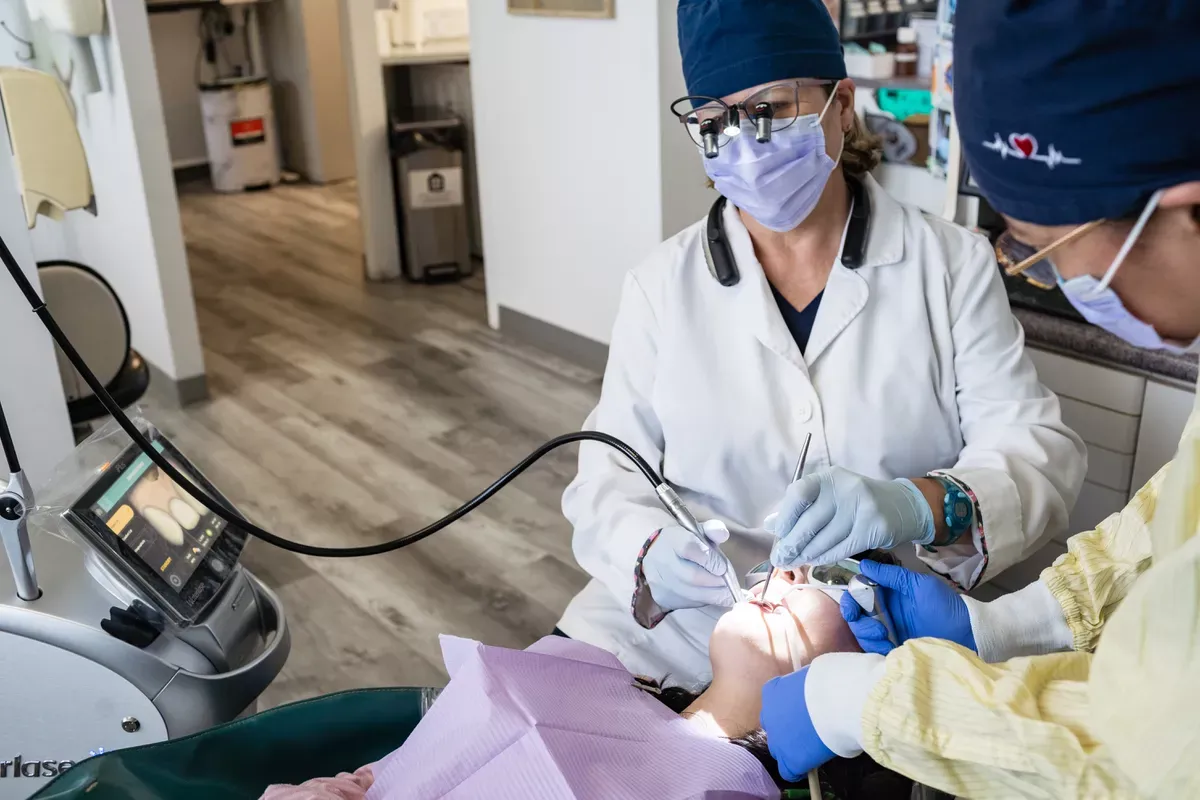
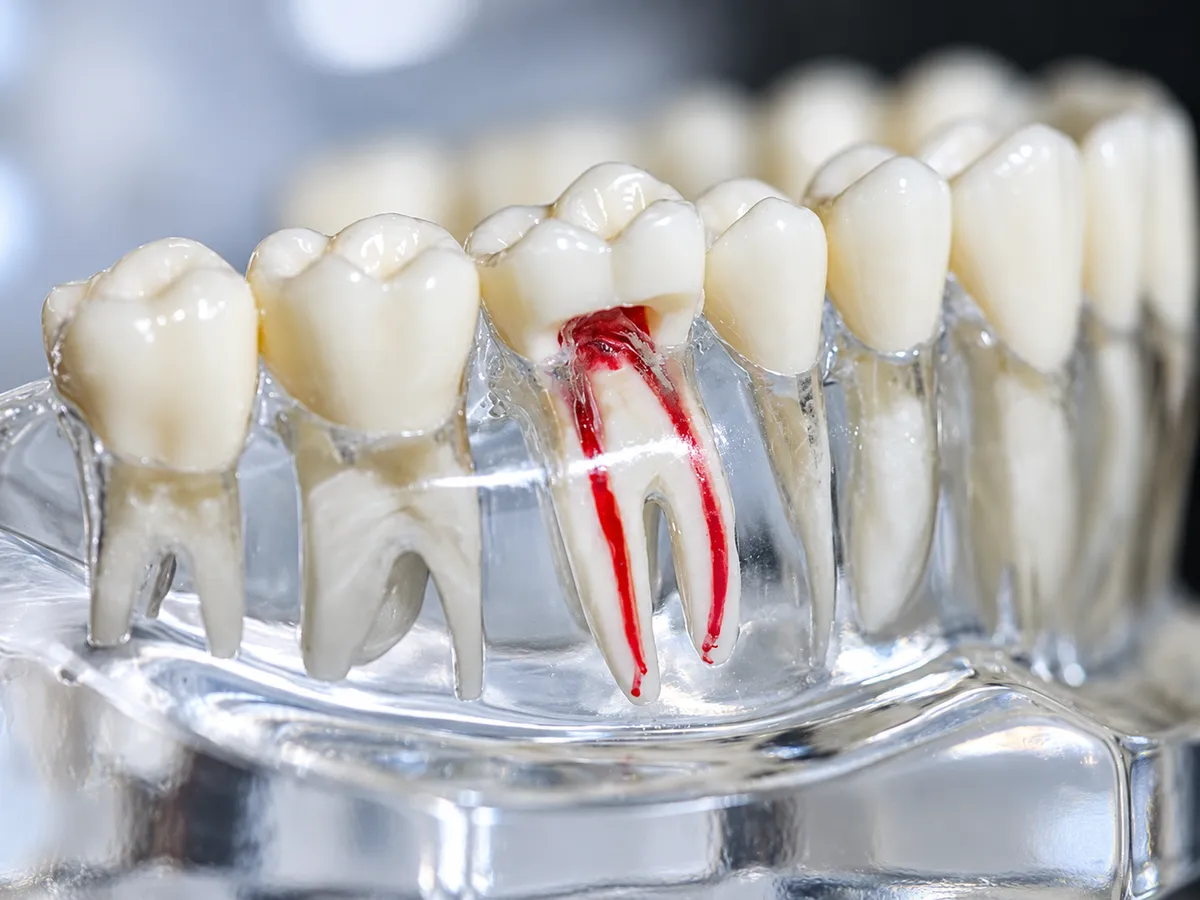
Inside every tooth is a soft core called the pulp, which holds the nerve and blood supply. When deep decay, a crack or an injury lets bacteria reach it, the pulp can become infected. A root canal removes the damaged tissue, cleans and seals the inside of the tooth, and lets you keep your natural tooth.
Is a Root Canal Right for You?
You may need a root canal if you have lingering tooth pain, sensitivity to hot or cold that doesn’t go away, swelling near a tooth, or a tooth that has darkened in colour. If any of these sound familiar, it’s worth getting checked before the problem gets worse.
Why Saving Your Tooth Matters
The main alternative to a root canal is removing the tooth. Keeping your natural tooth whenever possible protects your bite, stops neighbouring teeth from shifting into the gap, and helps maintain your jawbone. It also saves you the cost and extra steps of replacing a missing tooth. During your visit, we’ll check the tooth carefully and explain whether a root canal is the best way to save it.
What to Expect During Your Root Canal
Most root canals are completed in one or two visits, with the area fully frozen throughout to keep you comfortable.
Exam and X-Rays
We examine the tooth and take X-rays to confirm a root canal is the right choice and plan your treatment.
Cleaning and Sealing the Tooth
We gently remove the infected tissue, clean and disinfect the inside of the tooth, then seal it to keep bacteria out.
Protecting It With a Crown
In most cases, we recommend a crown afterward to strengthen the tooth and help it last for years to come.
Frequently Asked Questions
Does a root canal hurt?
The treatment itself shouldn’t hurt, because the area is fully frozen first. Many patients say it feels much like getting a filling. Most of the pain people link to root canals actually comes from the infection beforehand, and treatment relieves it.
How do I know if my tooth pain needs a root canal?
Pain that lingers after hot or cold, throbs on its own, or wakes you at night often points to a problem with the nerve. Brief, sharp sensitivity that fades quickly is usually less serious. An exam and X-ray are the only way to know for sure.
Can antibiotics fix a tooth infection instead?
Antibiotics may calm swelling for a short time, but they can’t reach the infection inside the tooth. Without treatment, it usually comes back. A root canal or extraction is needed to remove the source.
Do I need a crown after a root canal?
Usually, yes, especially for back teeth that handle most of your chewing. A crown protects the treated tooth from cracking and helps it last.
Where can I get a root canal in Edmonton?
Pleasant View Dental is at 11044 51 Ave NW in south Edmonton, near Southgate Centre, and welcomes patients from Pleasantview, Allendale, Lendrum Place, Royal Gardens and surrounding neighbourhoods.
Relief Is Closer Than You Think
Tooth pain rarely gets better on its own. Let’s find the cause, ease the pain and save your natural tooth.
Address
Professional Building, 11044 51 Ave NW, Edmonton, AB T6H 5B4, Canada
Contact Us
Phone Number:
780-430-9053
Assistance Hours
Mon – Tue 9:00am – 7:00pm
Wed – Fri 9:00am - 3:00pm
Sat – Sun CLOSED

Office 11044 51 Ave NW, Edmonton, AB
Call 780-430-9053
Site: www.pleasantviewfamilydental.com

Copyright 2026. All Right Reserved.